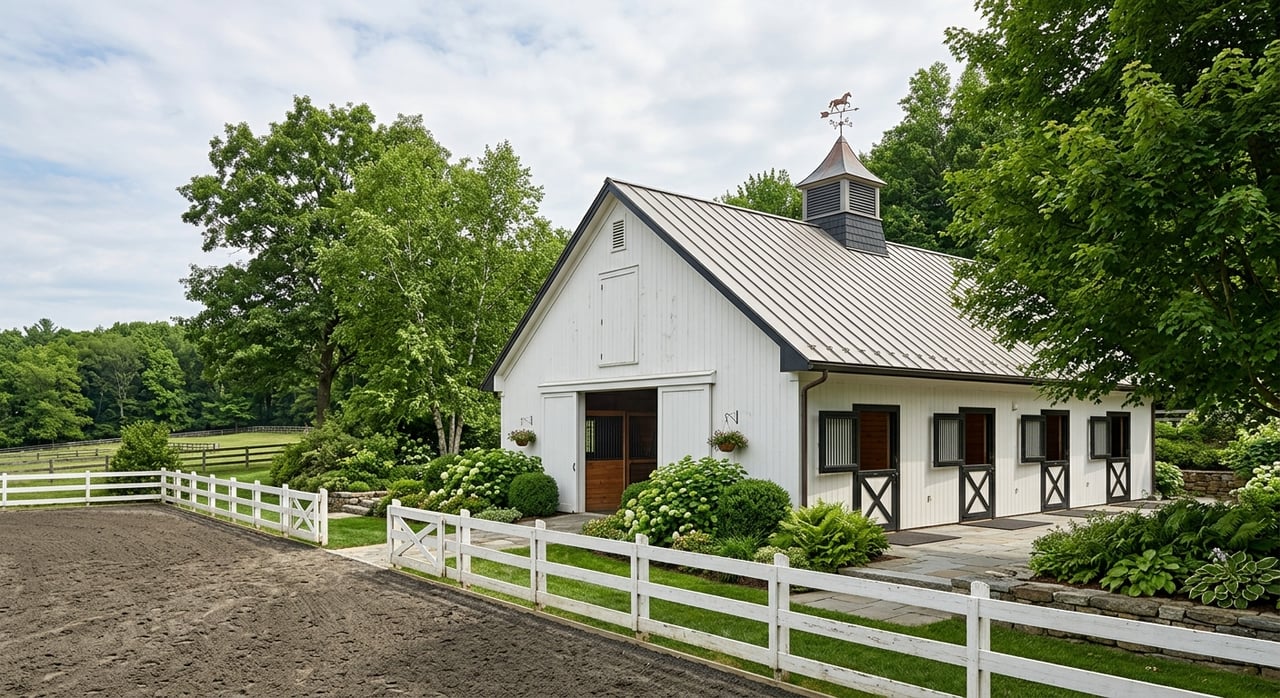
If you are preparing to sell an equestrian property in Dover, you are not just listing a home. You are presenting a rare combination of land, infrastructure, lifestyle, and local context that buyers may not find elsewhere near Boston. That creates real opportunity, but it also means the details matter. In this guide, you will learn what makes Dover equestrian properties stand out, which records and approvals can strengthen your sale, and how to position your property for qualified buyers. Let’s dive in.
Why Dover appeals to equestrian buyers
Dover offers a setting that naturally supports country and horse properties. The town describes itself as predominantly residential, with scenic roads, open-space protection, trails, and access to the Charles River, all within about forty minutes of downtown Boston. That balance of rural character and regional access is a major reason equestrian buyers look here in the first place.
Dover also points to its farming history, which still shows up in open pasture, stone walls, barns, and farmhouses. For sellers, that matters because horse-ready properties feel consistent with the town’s identity rather than out of place. Buyers often respond to that sense of continuity and land stewardship.
The conservation backdrop is also significant. Dover’s Open Space Committee and conservation network help preserve the rural landscape, and the town notes that the Conservation Commission oversees more than 450 acres of town-owned conservation land. That setting can add appeal, but it also makes diligence especially important when improvements or regulated areas are involved.
What buyers evaluate first
Equestrian buyers usually look beyond the house right away. They want to understand how the land works, how the barn functions, and whether the property supports safe, practical horse use day to day. A polished listing should answer those questions clearly.
In Dover, some of the most marketable features are tied to the area’s horse culture and trail network. The town identifies horseback riding opportunities at Noanet Woodlands, Hale Reservation, and Wylde Woods, which helps reinforce Dover’s standing as a horse-friendly community. Noanet Woodlands is especially notable because The Trustees says it offers more than 16 miles of trails and wood roads and connects to Hale Reservation.
Local buyers and out-of-area buyers may also compare your property against nearby equestrian amenities. The Norfolk Hunt Club stables in Dover highlight features such as all-day turnout, a wash stall, tack room, outdoor ring, and direct trail access through Dover, Medfield, and Sherborn. That does not mean every private property needs the same setup, but it does show the level of functionality many horse-oriented buyers recognize and value.
Prepare the property file before listing
One of the best ways to strengthen your position is to assemble a complete property file before your home goes live. Equestrian buyers tend to be detail-oriented, and clear documentation can reduce uncertainty, speed up decisions, and support value.
Useful records may include:
- Building plans or blueprints for the house, barn, or accessory structures
- Wastewater design plans and permits
- Soil test results
- Well or irrigation water-quality tests
- Pesticide application records
- Forest, field, or conservation management plans if they exist
These types of records align with broader farm-style property diligence guidance and can help a buyer better understand how the property has been maintained. In a specialized sale, organization signals credibility.
If your property has horse facilities, include maintenance records for barns, paddocks, fencing, arenas, drainage systems, and access drives whenever possible. Buyers often want to see not only what exists, but how it has been cared for over time. That is especially true when a property includes multiple structures or site improvements.
Confirm zoning and use details
Before you market a property as horse-ready, it is smart to confirm the zoning context and any relevant approvals. Dover states that the town includes three residential zones, along with several other district types, and subdivision approvals require minimum frontage and area, a public hearing, and abutter notice. You can review that framework in the town’s zoning FAQ.
For sellers, the practical takeaway is simple. You want to understand what currently exists on the property, what was permitted, and how the use has functioned. That can be especially important if the horse use has always been private, if structures were added over time, or if buyers may ask about future changes.
This does not mean you need to predict every future use. It does mean you should be ready with accurate information about the current setup and the known permitting history. Clear answers can prevent confusion later in the transaction.
Review wetlands and conservation status
In Dover, wetlands review can be a major part of equestrian property diligence. The town’s Conservation Commission regulates work within 100 feet of wetlands or 200 feet of any perennial stream or river. In those areas, projects may require either a Request for Determination of Applicability or a Notice of Intent.
That matters for common equestrian improvements such as barns, arenas, turnout changes, fencing, grading, and drainage work. If any of those were added, moved, or reconfigured, buyers may want to review the permit trail. Having those records ready can make your listing stronger and your negotiations smoother.
Massachusetts guidance also notes that equine activities near wetlands may qualify for exemptions only under specific conditions, and that most private single-family horse owners are not exempt. The state’s wetlands-and-horses guidance makes permit history especially relevant in a sale. In other words, assumptions can create risk, while documentation creates confidence.
If your property is subject to a conservation restriction, that should be disclosed early. The state explains that a conservation restriction stays with the deed when ownership changes, which means future development or use may be limited even after the sale. For the right buyer, protected land may be a benefit, but it should never come as a surprise.
Address operational and environmental records
Horse properties often involve questions that go beyond traditional residential due diligence. Buyers may ask about manure handling, runoff controls, stream protection, soil conditions, and inspection history. Preparing those answers in advance can help your sale feel more professional and more complete.
Massachusetts horsekeeping guidance recommends a manure management plan, protected manure storage, composting where practical, vegetated buffers, keeping horses out of streams, and periodic soil testing every two or three years. These practices are tied to water-quality protection, as described in the state’s horsekeeping water-quality guide.
If you have records related to these practices, include them in your file. Even simple documentation can show buyers that the property has been operated with care. That can be particularly helpful when your land includes paddocks, fields, or areas near protected resources.
Dover’s Board of Health Animal Inspector also conducts annual inspections of barns, livestock, and waterfowl to assess animal-keeping conditions and disease testing or inoculation status. If available, the history of those inspections can help support a transparent sale.
Clarify any commercial horse use
Some equestrian properties have only supported private use, while others may have included commercial activity. If your property has ever been used for horses for hire or public riding instruction, that distinction matters.
Massachusetts requires a stable license before operating horses for hire. The state inspects the facility, the license expires each March 31, and licensees must keep daily work-period records for each horse for 30 days. Riding instructors who serve the public or operate for hire also need a state license.
If those rules have never applied to your property, that should still be addressed carefully in how the property is described. If they have applied, buyers will likely want supporting documentation. Either way, accuracy is essential when positioning the property in the market.
Highlight layout and functionality
A successful equestrian sale depends on more than acreage and curb appeal. Buyers want to know whether the property works well in daily use, especially if they trailer horses, manage equipment, or maintain separate circulation for home and barn activity.
Extension guidance on equine facility design and layout points to practical concerns such as safe circulation, trailer and vehicle parking, and enough space for barn operations. In your listing, those details can become real selling points when they are shown clearly and described accurately.
Make sure your marketing materials emphasize features such as:
- Trailer access and turning radius
- Dedicated parking for trailers and service vehicles
- Barn-to-arena flow
- Turnout layout and fencing organization
- Wash stall, tack room, feed room, or utility areas
- Drainage or footing improvements, if documented
For high-value Dover properties, strong visuals matter as much as the facts. Professional photography, video, and a well-structured property narrative can help buyers understand how the equestrian components relate to the home, land, and setting.
Market to local and regional buyers
Dover’s location broadens the likely buyer pool. Because the town sits within commuting distance of Boston and within a recognized regional riding network, your ideal buyer may come from Dover, nearby towns, or well beyond them. That makes targeted exposure especially important.
A specialized equestrian property usually needs more than standard MLS placement. It benefits from thoughtful storytelling, polished visuals, and marketing that explains both the emotional appeal and the technical facts. Buyers need to picture the lifestyle, but they also need confidence in the land, facilities, and documentation.
That is where an experienced, consultative listing strategy can make a meaningful difference. For a property with barns, paddocks, trail connections, conservation considerations, or complex land issues, presentation and preparation should work together from day one.
If you are considering selling an equestrian property in Dover, the goal is not simply to go on the market. The goal is to present the property with clarity, credibility, and the level of detail serious buyers expect. When you are ready for a confidential, strategic conversation about pricing, preparation, and marketing, connect with Mary Crane Properties.
FAQs
What makes a Dover equestrian property appealing to buyers?
- Dover offers a rural setting, visible horse culture, access to riding areas such as Noanet Woodlands and Hale Reservation, and proximity to Boston, which can widen the buyer pool.
What documents help most when selling a horse property in Dover?
- The most useful records often include zoning and permit information, wetland or conservation records, building plans, wastewater permits, water-quality tests, and maintenance records for barns, arenas, fencing, and land.
What should sellers know about wetlands rules for Dover horse properties?
- In Dover, work within 100 feet of wetlands or 200 feet of a perennial stream or river may require Conservation Commission review, which can affect barns, arenas, drainage work, fencing, and turnout changes.
What if my Dover horse property was used only for private equestrian use?
- Private use and commercial use are different, but you should still be ready to document zoning, permit history, and site conditions before marketing the property as horse-ready.
What if a Dover equestrian property had commercial horse activity?
- If horses were operated for hire or instruction was offered to the public, Massachusetts licensing rules may apply, and buyers may want to review stable-license or instructor-license history.
Why does a conservation restriction matter when selling land in Dover?
- A conservation restriction stays with the deed after the sale and may limit future development or uses, so it should be disclosed early and explained clearly to buyers.