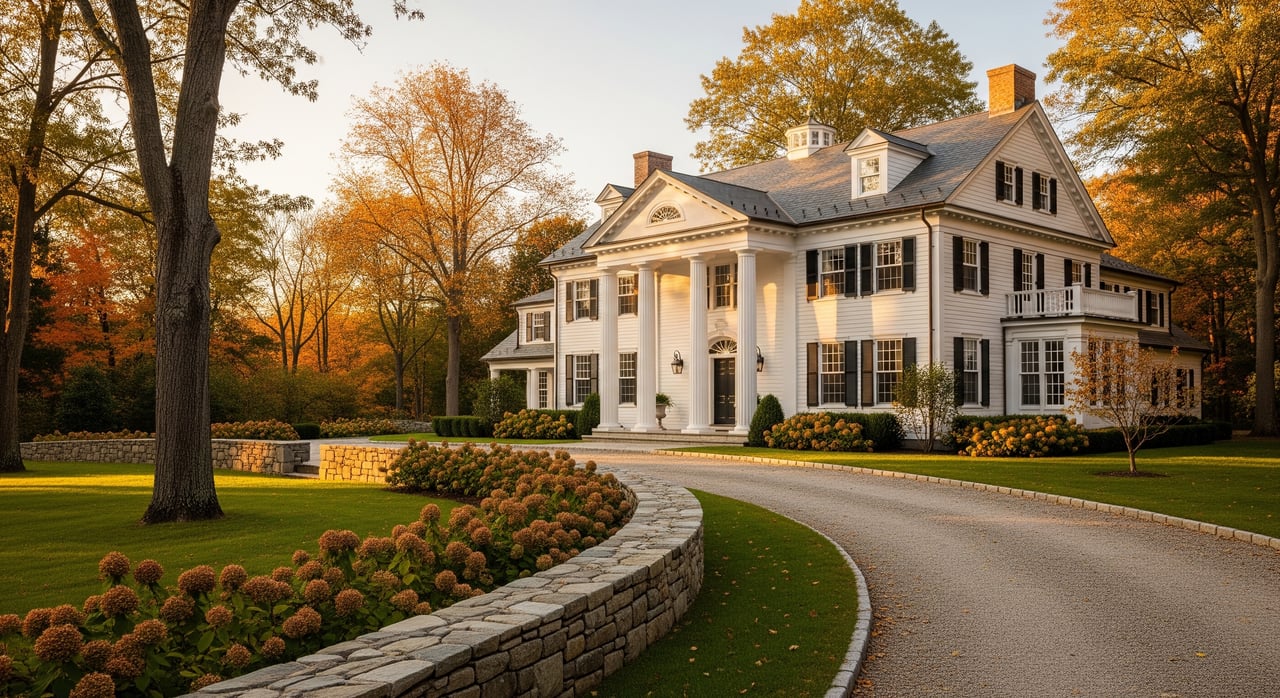
Thinking about moving to Dover, MA and wondering how life actually feels from January to December? You want more than pretty photos. You want to know how the seasons shape daily rhythms, commutes, weekend plans, and home care on larger, tree-lined lots. This guide walks you through Dover’s year, season by season, so you can picture your lifestyle, plan ahead, and buy with confidence. Let’s dive in.
Dover in every season
Dover offers a rural-suburban setting with conservation land, winding roads, and homes on sizable parcels. You get four true New England seasons. That means cozy winters, a muddy-to-blooming spring, green and active summers, and a spectacular, leafy fall. Civic life is engaged yet low-key. Many residents drive for work and connect to the commuter rail or bus in nearby towns when needed.
If you value space, privacy, and nature, Dover’s landscape delivers. The same trees and acreage that make summers shady and calm also bring seasonal chores like leaf removal and storm prep. Knowing what to expect helps you enjoy the beauty and handle the upkeep with ease.
Winter in Dover: quiet, cozy, prepared
What it feels like
Winter is cold with periodic snow and freeze-thaw cycles that can create ice. After a snowfall, Dover’s long driveways, stone walls, and tree canopies look storybook quiet. It also means you plan for plowing and safe access.
Things to do outside
You can snowshoe or cross-country ski on local trails, sled on hills, and skate only when ponds are confirmed safe. Life leans nature focused, with neighborhood gatherings and school calendars guiding the pace.
Home and property checklist
- Service the furnace and chimney, and confirm your heating fuel plan.
- Insulate pipes, and check weather stripping and attic ventilation to reduce ice dams.
- Line up a plowing plan for long driveways, and keep sand or salt on hand.
- Trim risky limbs to mitigate branch breaks from snow or ice.
- Test generators and refresh emergency kits.
Buyer tips for winter tours
- Ask who plows, what areas are town maintained, and how the driveway is accessed in storms.
- Confirm heating type and insulation quality for budgeting.
- Remember that snow can hide grading, drainage, and foundation visibility.
Spring in Dover: thaw and renewal
What it feels like
Spring starts with thaw and mud season, then shifts to greening lawns, early blooms, and rising pollen. Outdoor sports and school activities ramp up, and town meeting season brings civic energy.
Community life and activities
You can expect trail runs, birdwatching during migration, yard cleanup, and regional maple sugaring visits in March and April. Seasonal markets and local programs open as the weather steadies.
Home and property checklist
- Assess roof, gutters, and downspouts after winter.
- Check grading and drainage during wet weeks.
- Schedule septic maintenance and inspect lawn and foundation areas.
- Test irrigation systems and plan garden projects.
Buyer insights in spring
- Spring listings usually increase, and curb appeal improves.
- You can better see grading, drainage, and landscaping condition.
- Desirable school-district towns attract competition, so be prepared.
Summer in Dover: green and active
What it feels like
Summer is warm to occasionally hot and humid, with long daylight and deep greenery. You will see more outdoor events and neighborhood gatherings, plus easy day trips to the coast.
Everyday activities
Expect backyard barbecues, evenings on decks, and time in gardens. You can hike shaded trails, cycle rural roads, ride on bridle paths where allowed, and visit local farm stands. Families often take advantage of camps and regional outings.
Home and property checklist
- Service air conditioning and check attic ventilation.
- Keep up with mowing, irrigation, and deck or patio care.
- Manage ticks and mosquitoes, especially near wooded edges.
- Monitor tree health and prune as needed.
Buyer insights in summer
- Summer showings reveal outdoor living spaces, privacy from foliage, and shade patterns.
- Evaluate sun exposure for gardens, pools, or future solar.
- Confirm HVAC capacity and energy efficiency for late-summer heat.
Fall in Dover: color and preparation
What it feels like
Crisp mornings, comfortable afternoons, and standout foliage typically arrive through October. With mature trees across town, fall looks and feels memorable.
Seasonal activities
Plan leaf-peeping drives, apple picking, and cool-weather hikes. Some area equestrian events and traditions occur in the fall. School is in full swing, and homeowners shift to winter prep.
Home and property checklist
- Clean gutters and downspouts after leaf drop.
- Shut off and insulate outdoor faucets, and winterize irrigation.
- Service the heating system, and check weather seals.
- Remove leaves from lawns to protect root health.
Buyer insights in fall
- You see rooflines and tree proximity clearly as leaves come down.
- Evaluate gutter capacity and drainage before winter storms.
- Look for energy efficiency features to support winter comfort.
Commute, services, and reliability year-round
Driving is the primary mode for most Dover residents. Major regional roads connect you to Boston and suburban job centers, and traffic varies by time of day and season. Public transit access usually involves a short drive to a nearby commuter rail or bus station. In winter, storms can affect schedules, so build in buffer time.
Utilities are typical for suburban New England. Some homes are on private wells and septic systems, while others connect to municipal services. Heating may be natural gas, oil, or propane. When you evaluate a property, confirm the utility setup, fuel source, and insulation quality to understand ongoing costs and comfort.
How seasons shape pricing and timing
- Winter: Buyers are often purposeful. Interiors show well when warm and inviting. Sellers should keep paths clear and well lit, and be transparent about any winter-only issues.
- Spring: Landscaping shines and inventory grows. Drainage, lawns, and foundations are easier to evaluate. Expect competitive interest in towns with strong demand.
- Summer: Outdoor amenities are at their best. Highlight decks, pools, patios, privacy, and trail access. Keep interiors clean of pollen for showings.
- Fall: Use the foliage advantage in photos and tours. Many owners plan pre-winter service, which can reassure buyers about maintenance.
If you are timing a sale or search, your strategy should consider these rhythms. The right preparation and presentation can capture attention in any season.
Equestrian and estate considerations
Dover’s rural-suburban character includes properties with acreage, barns, and access to bridle paths where permitted. Larger parcels mean more tree care, longer driveways, and seasonal attention to fences, paddocks, and drainage. If you are evaluating an equestrian or country estate, review soil and water management, utility access, and outbuilding condition in both wet and dry months. A season-aware walkthrough can help you understand riding surfaces, pasture performance, and winter access.
A quick seasonal checklist
- Winter: Service furnace and chimney, insulate pipes, confirm plowing, trim risky limbs, test generators.
- Spring: Check roof and gutters, confirm grading, service septic, inspect lawns and foundations, test irrigation.
- Summer: Service AC, maintain lawn and gardens, manage ticks and mosquitoes, check tree health.
- Fall: Clean gutters, shut off and insulate outdoor faucets, winterize irrigation, service heating, remove leaves.
Plan your next step
Year-round living in Dover rewards you with space, nature, and a grounded community pace. With clear expectations for each season, you can enjoy the best of the landscape and make informed decisions about timing, maintenance, and value. If you want help aligning your search or sale with the season, connect with a local advisor who knows Dover’s rhythms and the unique needs of larger-lot and equestrian properties.
Schedule a confidential consultation with Mary Crane Properties to plan a season-smart strategy for your move.
FAQs
What is winter like in Dover, MA for daily commuting?
- Most residents drive, regional roads can be affected by storms, and public transit typically begins with a drive to a nearby station, so plan extra time in snow.
How do large lots in Dover affect maintenance across seasons?
- Bigger parcels mean added tasks like plowing long driveways, tree pruning, leaf removal, irrigation checks, and pest management that vary by season.
What should Dover homebuyers verify about utilities before closing?
- Confirm whether the home has municipal water and sewer or private well and septic, the heating fuel source, and the insulation level to estimate comfort and costs.
How active is the community year-round in Dover, MA?
- Dover maintains an engaged civic life with volunteer groups, seasonal town events, and school-centered activities that shape the calendar.
What outdoor recreation is available near Dover in all seasons?
- You can hike or run conservation trails, cycle rural roads, snowshoe or ski in winter, and explore nature-focused activities with easy access to regional destinations.
How do Dover’s seasons impact home showings and inspections?
- Winter highlights interior warmth but can hide yard issues, spring reveals drainage and landscaping, summer showcases outdoor living, and fall clarifies rooflines and tree proximity.