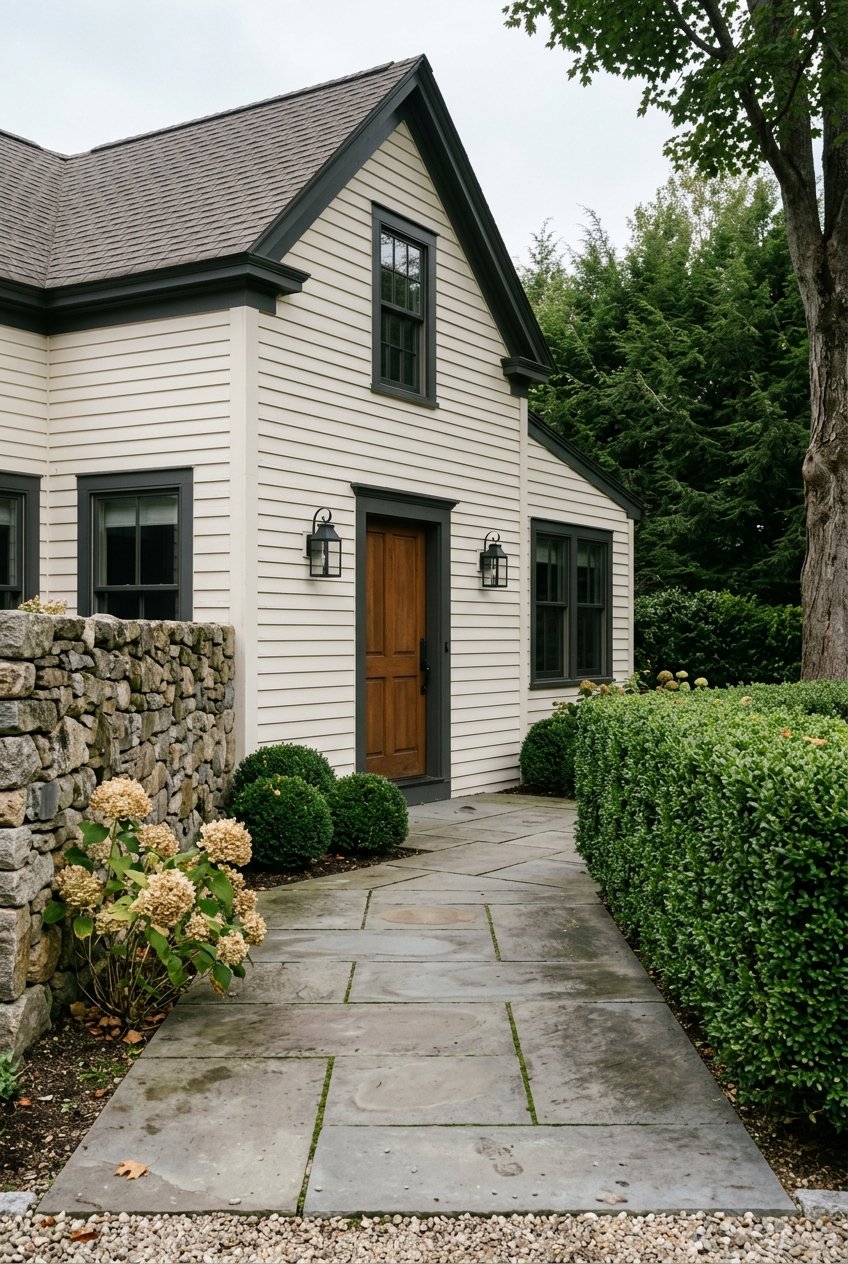
What does "convenience" really mean when you picture life in Dover? For some buyers, it means a longer driveway, more trees, and a quieter daily rhythm. For others, it means easier access to town services and community programming near the village center. If you are weighing privacy versus convenience in Dover, the right choice usually comes down to land, tree cover, maintenance, and how you want to move through your day. Let’s dive in.
Why this choice matters in Dover
Dover is known for its peaceful residential setting, scenic roads, wooded areas, trails, and access to the Charles River. About forty minutes from downtown Boston, it offers a country feel that attracts buyers who want space and a calmer pace.
In Dover, the privacy-versus-convenience question is not usually about urban versus suburban living. It is more often about how much land you want, how close you want to be to the village center, and whether you are comfortable with the care that can come with a more secluded property.
Privacy in Dover often means land and tree cover
If privacy is your top priority, you may be drawn to Dover’s more wooded roads and larger residential settings. Town and open-space resources point to areas around Claybrook Road, Hunt Drive, Strawberry Hill Street, Pine Street, Centre Street, Farm Street, Dedham Street, and Powisset Street as examples of places tied to trailheads, conservation parcels, and a quieter rural feel.
These settings often appeal to buyers who want more setback from the road, a stronger sense of seclusion, and the visual buffer that mature trees can provide. In Dover, that kind of privacy is closely tied to the land itself.
Larger lots can shape the experience
Dover’s residential zoning includes 1/2-acre, 1-acre, and 2-acre districts. That matters because lot size, frontage, and buildability all influence how private a property may feel and how it can be used over time.
The town also notes that buildable lots must meet specific frontage and area rules, including its perfect-square frontage requirement. If you are considering land value, future changes, or a purchase with long-term plans in mind, these details deserve careful review.
Privacy often comes with more upkeep
A more secluded setting can be beautiful, but it can also ask more of you as an owner. Larger lots may mean more mowing, plowing, pruning, and general landscape care.
If a property touches a scenic road or conservation area, certain exterior site changes may also need closer attention. Dover notes that some roads are designated scenic roads, and tree work or other changes in the right-of-way can require Planning Board involvement.
Convenience in Dover centers on everyday access
If convenience is your priority, your focus may shift toward Dover’s current village-center area around Springdale Avenue and Whiting Road. This is where the town’s planning work is centered, and where the Caryl Community Center serves as a hub for Parks & Recreation programs and events, with parking accessed from Whiting Road.
For many buyers, this kind of convenience is less about rail access and more about easier day-to-day movement. Dover does not currently have an MBTA station, so convenience here is generally about shorter drives to town services, programs, and local errands.
The village center may continue to evolve
Another factor to keep in mind is change over time. Dover’s village-center planning work is ongoing, which suggests that this area may evolve more than the town’s more rural roads.
That does not mean one setting is better than the other. It simply means that if you prefer a location that feels closer to current and future town activity, the village-center area may better match your goals.
Utilities can influence your decision
In Dover, the setting you choose can also affect the ownership experience behind the scenes. The town says nearly 70% of dwellings use private wells, and Dover has limited infrastructure for water and wastewater services.
That makes utility awareness an important part of the buying process, especially if you are comparing a more private property with a more central one. A home can look ideal on first impression, but your comfort with well and wastewater systems should be part of the equation.
Septic systems require attention
Dover’s Board of Health FAQ states that septic systems should generally be pumped about every two years on average. The town also treats cesspools as an automatic failure under its Title V approach.
For some buyers, this is routine and manageable. For others, it is a sign that a lower-maintenance property may be the better fit. Neither answer is wrong, but your choice should reflect how hands-on you want to be.
A simple way to compare your options
When clients think through Dover settings, it often helps to compare lifestyle patterns rather than just home features. The table below gives you a practical way to frame the trade-offs.
| Priority | Privacy-Leaning Setting | Convenience-Leaning Setting |
|---|---|---|
| Daily feel | More secluded, wooded, country-like | Closer to town activity and services |
| Lot pattern | Often larger lots with more setback | Often less emphasis on maximum separation |
| Maintenance | More likely to involve land care and snow management | Often a lighter land-management burden |
| Access | More driving between destinations | Easier access to the village center |
| Long-term planning | May involve scenic-road or land-use considerations | May appeal if you want proximity to an area that could evolve |
Questions to ask yourself before you buy
Before you decide which Dover setting fits you best, take a step back and think about how you actually want to live. A beautiful property is important, but daily ease matters just as much.
Here are a few smart questions to ask yourself:
- Do you want the greatest level of privacy possible, even if it means more land to maintain?
- Would you rather be closer to the village center and town programming?
- Are you comfortable with a private well, septic system, and the responsibilities that may come with them?
- Would you trade some yard size or tree cover for a simpler drive pattern and easier access to services?
- Does the property sit on a scenic road or near conservation land that could affect future site changes?
How to choose with confidence
The best Dover setting is the one that supports your real life, not just your wish list. If you value quiet, land, and a stronger sense of retreat, a more private road may feel exactly right. If you want easier access to community life and a simpler ownership routine, a location closer to the village center may be the better match.
In a town like Dover, those trade-offs are worth evaluating carefully. Privacy can be deeply rewarding, but convenience has its own value, especially when you think about maintenance, utilities, and how you want your days to flow.
An experienced local advisor can help you look past surface appeal and evaluate the full picture, from zoning context to septic and water considerations. If you are considering a move in Dover and want a thoughtful, discreet perspective, Mary Crane Properties can help you assess which setting truly fits your goals.
FAQs
What does privacy usually mean for a home in Dover?
- In Dover, privacy usually relates to larger lots, more setback from the road, heavier tree cover, and a more rural setting on quieter roads.
What does convenience usually mean for a home in Dover?
- In Dover, convenience usually means easier driving access to the village-center area around Springdale Avenue and Whiting Road, including town services and community programming.
Are private wells common for Dover homes?
- Yes. The town says nearly 70% of dwellings in Dover use private wells.
How often should a septic system be pumped in Dover?
- Dover’s Board of Health FAQ says septic systems should generally be pumped about every two years on average.
Do scenic roads affect property changes in Dover?
- Yes. The town notes that some roads are designated scenic roads, and tree work or other changes in the right-of-way can require Planning Board involvement.
Is Dover convenience tied to commuter rail access?
- No. Dover does not currently have an MBTA station, so convenience in town is more about drive-time access to services and errands than rail access.