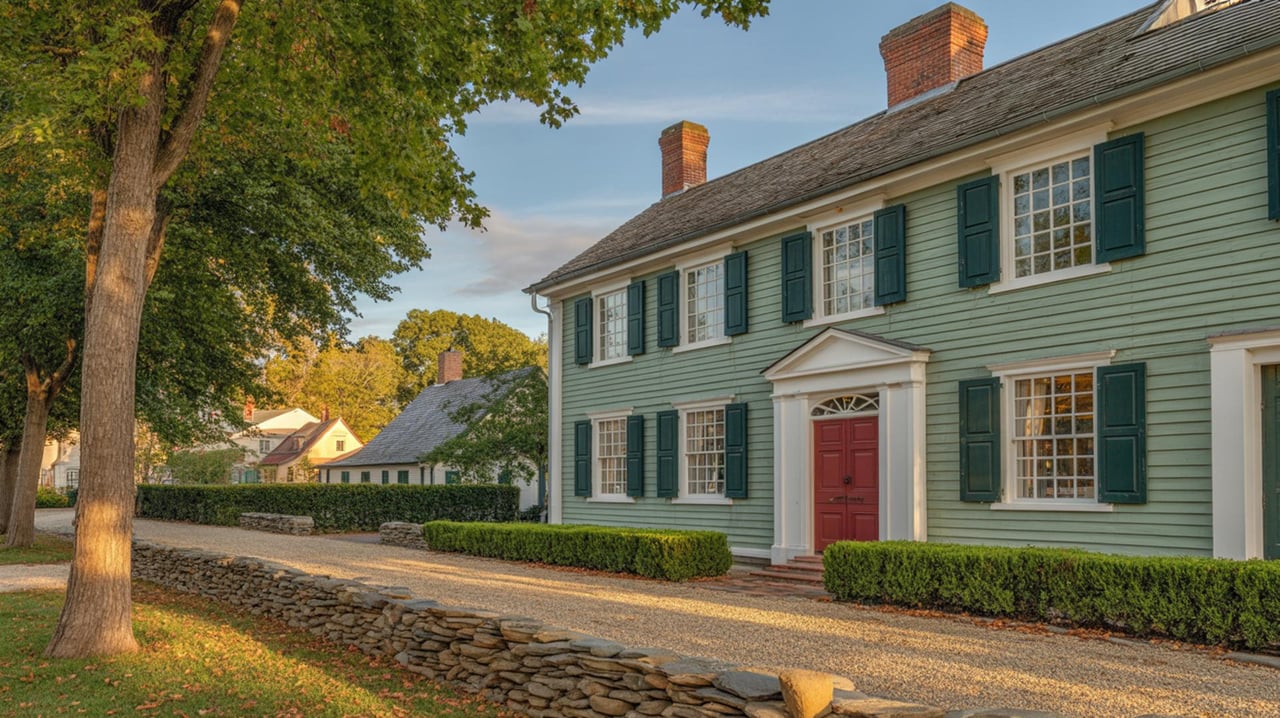
Concord, MA, has an abundance of historic residences that reflect colonial and early American character. Selecting paint colors for these homes requires attention to architectural style, material, seasonal light, and neighborhood character. The choices influence curb appeal, preservation consistency, and long-term maintenance planning. The following sections cover practical steps for choosing and applying paint to historic homes in Concord, MA, with local context and actionable advice.
Assessing Architectural Style And Original Palette
Understanding the architectural style of a property guides color decisions. Many Concord homes display colonial, Federal, or Greek revival influences. Examine cornice lines, window trims, and siding types to determine original accents. Local historical societies and archives often keep photographs or descriptions that indicate original palettes. When original colors are unknown, select hues that align with the era—muted earth tones, classic whites, and restrained greens tend to match early American aesthetics. Test small areas before committing to a full repaint to ensure the color complements millwork and masonry.
Reviewing Historic District Guidelines And Preservation Standards
Historic district guidelines in Concord influence acceptable color ranges and finish types. Review materials provided by local preservation bodies to learn about approved palettes and required application methods. Guidelines commonly emphasize maintaining original character and using breathable paints on old wood or masonry. Contacting the town’s preservation staff can clarify whether an approval or review is needed before painting. Prepare a color sample board with proposed hues and finish descriptions for any review process.
Selecting Exterior Paint Types For Old Materials
Older homes often contain wood clapboard, shingles, brick, or stone, each requiring specific paint technology. Oil-based primers may adhere well to old, weathered wood, while modern acrylic latex paints offer flexibility and resistance to peeling. For masonry, use mineral paints or breathable masonry coatings that allow moisture movement. Choose formulations with proven adhesion and fading resistance suited to New England climate conditions. When working with lead-era paint, hire contractors experienced in safe preparation and encapsulation techniques.
Choosing A Cohesive Color Scheme For Facades And Trim
A cohesive scheme balances a primary field color with complementary trim and accent colors. For Concord homes, a classic approach pairs a neutral field color with crisp white trim and a darker accent for shutters or doors. Another option uses a warm field color with natural wood stain trim for a more historic vernacular. Consider roof color, stone foundations, and surrounding vegetation when selecting hues so the overall composition reads harmonious. Assemble painted test panels placed on different elevations to view the interplay of colors under varied light.
Selecting Door And Shutter Accents That Enhance Character
Doors and shutters offer an opportunity to inject personality while respecting historic character. Deep greens, muted reds, and navy tones harmonize with traditional facades. For Federal or Greek revival homes, a stately dark color for the door can emphasize the central entry. For more rustic homes, natural stain or a soft accent color can highlight original joinery. Ensure shutters are sized and mounted appropriately for the window openings so the color treatment appears intentional and proportional.
Considering Seasonal Light And Weathering Effects
Concord’s seasonal light affects how color reads across the year. Cooler winter skies soften pale hues, while bright summer sun intensifies saturated colors. South and west exposures receive stronger light and may cause faster fading. Select pigments and finishes formulated for ultraviolet protection and durability. Plan maintenance cycles based on expected weathering and choose colors that maintain visual appeal through glaze and mild surface wear.
Coordinating Color Choices With Landscape And Setting
A historic house sits within a landscape that can either complement or compete with the facade. Native plantings, stone walls, and mature trees in Concord create a rural backdrop. Select colors that harmonize with natural tones—stone gray, sage green, and warm buff often integrate well. For properties near open fields or wooded areas, softer field colors help the home sit comfortably in its setting. When planning a palette, view paint samples against typical seasonal foliage to ensure the combination remains cohesive across months.
Hiring Contractors With Historic Paint Experience
Painting an old house demands careful preparation and an understanding of historic materials. Seek contractors who document prior work on historic exteriors and who follow appropriate preparation standards such as gentle cleaning, careful scraping, and priming compatible substrates. Request references and photographic examples of completed projects on similar homes. Confirm that contractors use protective measures to preserve original trim details and that they provide a clear plan for surface repair and paint layering.
Testing Samples And Mockups On Site
Mockups provide the most reliable sense of how a color will appear. Paint several large test panels on different elevations and inspect them at multiple times of day. Small swatches on a paint card can be misleading because light and surrounding materials alter perception. Allow mockups to weather slightly to assess undertones and gloss compatibility with trim and accents. Keep a record of the product names and sheen levels that produce the desired result for future touchups.
Planning Maintenance And Long Term Upkeep
Historic exteriors benefit from regular inspection and timely maintenance to preserve both paint and substrate. Create an inspection routine that addresses caulking, flashing, and areas prone to moisture. Use touchup paints matched to the original formula when possible to ensure seamless repair. Keep documentation of selected products, suppliers, and application methods for future projects or for future owners. Proper maintenance extends the life of the paint job and helps maintain the visual integrity of a historic Concord home.
Ready to Refresh Your Historic Home
Carefully chosen paint colors can honor Concord, MA’s rich architectural heritage while giving your home renewed curb appeal and protection. For tailored color selections and preservation-minded recommendations, trust the expertise of Mary Crane Properties. Ready to bring your vision to life? Contact Mary Crane Properties in Concord, MA today to discuss a personalized color plan for your historic home.