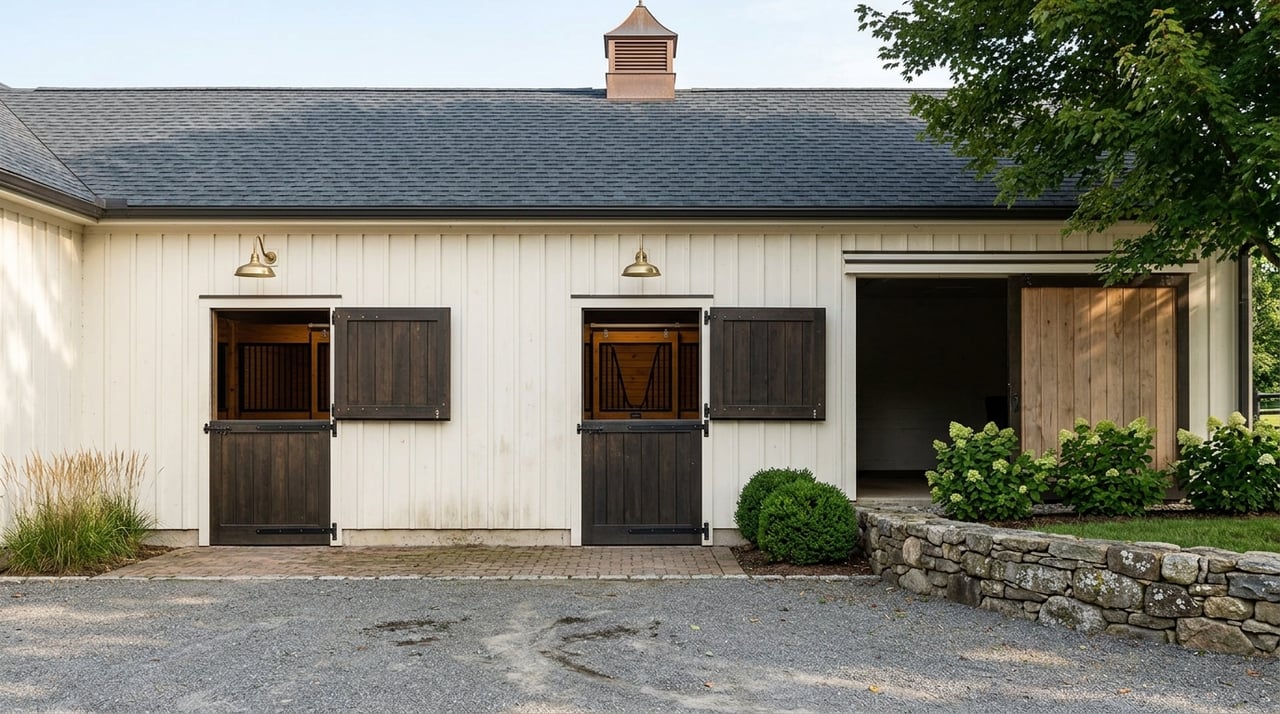
If you are selling an equestrian or acreage property in Dover, you are not marketing a standard suburban home. You are presenting a rare combination of land, use, infrastructure, and lifestyle in one of Norfolk County’s most distinctly rural communities. When that story is told clearly, buyers can see the full value of what you own. Let’s dive in.
Why Dover Requires a Different Approach
Dover is known for its country setting, conservation land, and trail systems. The town highlights miles of woods and trails for walking, cross-country skiing, birding, and horseback riding, which gives equestrian and acreage properties a very specific market position.
That matters because buyers are not just evaluating square footage or finishes. They are also weighing trail access, usable land, barn function, and how the property fits into Dover’s broader open-space network. A strong marketing plan should reflect that from day one.
Lead With the Land Story
In Dover, acreage often carries as much weight as the residence itself. A buyer may be just as interested in paddocks, turnout areas, access drives, and barn placement as they are in kitchens, baths, or formal rooms.
Your marketing should make the land easy to understand. That includes showing where the open areas are, how the property is laid out, and how the house, barn, ring, and support spaces relate to one another.
Show Usable Acreage Clearly
Not all acreage is equal in a buyer’s eyes. Some land may be open and functional, while other portions may be affected by conservation restrictions, easements, trail rights, or preservation considerations.
That is why it is important to distinguish total acreage from usable acreage in the listing package. Clear explanations help buyers assess value and reduce confusion later in the process.
Position the Equestrian Lifestyle Accurately
Dover’s recreation and planning documents emphasize horseback riding, bridle trails, and conservation connections. Listings that quietly mention a barn but fail to explain the riding context may miss what makes the property stand out.
Instead, the narrative should present the property as a complete land-use package. If the setting supports riding, turnout, or access to the town’s trail-oriented environment, those features should be described in factual, practical terms.
Prepare Documentation Before You Go Live
For complex rural properties, trust is built early. Serious buyers will want answers, and the smoother your documentation package is, the more confidence you create.
Mary Crane Properties is especially well positioned here because technical preparation is part of the brand’s advisory approach. For Dover acreage and equestrian listings, this kind of readiness can shape both buyer interest and negotiation strength.
Septic Records Matter in Dover
Dover does not have a municipal sanitary sewer system. Wastewater is handled through private septic systems, and Massachusetts DEP’s Title 5 program advises inspection when buying or selling a home with a septic system.
Before listing, it is smart to gather:
- Septic permits
- Recent inspection results
- Service and pumping records
- Repair history
- Upgrade documentation, if applicable
Having these materials ready helps buyers understand the system and can prevent avoidable delays.
Well Information Should Be Easy to Review
Dover states that nearly 70% of residential dwellings are served by private wells. The town’s Board of Health regulates well permits, water quality, installation, maintenance, and repair, and MassDEP recommends water testing before purchase.
For sellers, that means well documentation should not be an afterthought. If your property is served by a private well, buyers will want organized records and clear information about testing and maintenance.
A strong file may include:
- Well permit records
- Water quality test results
- Installation details, if available
- Maintenance and repair history
- Any related Board of Health documentation
Verify Uses and Approvals
Dover zoning specifically addresses commercial stables for boarding, hiring, or selling horses. If your property includes barns or has a history of boarding, training, or another nonstandard use, buyers will want to know what has been permitted or approved.
This is not just a technical detail. It can directly affect how confidently a buyer moves forward. Clear records around use history help support a smoother transaction.
Build a Visual Package That Answers Questions
Today’s buyers consistently value strong listing media. Buyer research shows that floor plans, high-resolution photos, and 3D or virtual tours rank among the most desired features, and industry guidance also supports using photos, video, virtual tours, floorplans, and drone imagery.
For a Dover equestrian or acreage property, visuals should do more than look beautiful. They should answer practical questions before a showing is even scheduled.
Use Aerials to Explain the Property
Drone photography is especially valuable for larger and more complex sites. It can show acreage, pasture boundaries, driveway access, and the relationship between the residence and equestrian amenities.
That matters because buyers often need to understand functionality at a glance. Aerial images can quickly clarify whether the layout supports daily horse use and how the property sits within its setting.
Include Floor Plans and Tours
Floor plans help buyers understand room flow and scale. Virtual tours and video can also make it easier for out-of-area buyers to evaluate a property before traveling to Dover.
For a high-value listing, these tools are not extras. They are part of presenting the home with the level of clarity and professionalism buyers expect.
Add Maps and Annotated Graphics
In Dover, maps can be especially helpful. When a property relates to trails, conservation land, or a larger open-space network, annotated graphics can make those relationships easier to grasp.
This type of presentation can highlight:
- Trail connections or nearby riding access
- Conservation adjacency
- Open versus wooded areas
- The placement of barns, paddocks, rings, and access drives
- Key land features that may not be obvious in standard photography
Reach Beyond the Immediate Local Market
Dover’s location and equestrian identity create a broader buyer pool than many suburban listings attract. The town’s trail resources and open-space appeal draw interest from riders and country-property buyers from across eastern Massachusetts.
That means a local-only approach may leave opportunity on the table. The right strategy should aim for both local and regional exposure.
Think Regionally, Not Just Locally
Because Dover is within reach of Boston and has distinct appeal for horse owners, your marketing should speak to buyers who may be searching outside their current town. Some may be looking for a first true country property. Others may be moving horses or consolidating land uses.
This is where premium digital presentation and broad distribution matter. Mary Crane Properties combines professional photography and video tours, MLS syndication, and regional press placements to help rare properties reach qualified buyers beyond the immediate area.
Speak to Practical Buyer Concerns
Equestrian buyers tend to be detail-oriented. They often want clear answers early, especially when evaluating barn function, land utility, and property systems.
Common questions may include:
- Is horse use allowed under current zoning?
- Is any acreage affected by easements or preservation controls?
- Is the septic system current and documented?
- Is the well permitted, maintained, and recently tested?
- Do the driveway and trailer access work well?
- Do the paddocks and barn layout support daily use?
The more directly your listing answers these questions, the stronger your positioning becomes.
Why Strategy Drives Better Outcomes
A Dover equestrian or acreage property often succeeds or struggles based on preparation. When the listing is launched with strong documentation, clear land explanations, and media that shows function as well as beauty, buyers can evaluate it with confidence.
That confidence matters. It supports better conversations, more qualified interest, and a stronger negotiating position.
For sellers in this niche, the goal is not simply exposure. The goal is to present the property with the precision it deserves, so the market understands exactly what makes it valuable.
If you are preparing to sell a Dover equestrian or acreage property, Mary Crane Properties offers the senior-level guidance, premium presentation, and technical support needed to bring complex country properties to market with confidence.
FAQs
What makes marketing a Dover equestrian property different from marketing a typical home?
- Dover equestrian properties should be marketed as a combination of residence, land, and horse-use function, with clear attention to trails, usable acreage, barns, access, wells, and septic systems.
What documents should sellers gather for a Dover acreage property before listing?
- Sellers should prepare septic permits, inspection results, service records, upgrade history, well records, water test results, and any documentation related to land restrictions, easements, or nonstandard property uses.
Why are maps and aerial images important for Dover horse properties?
- Maps and aerials help buyers understand acreage, layout, access drives, paddocks, barn placement, and how the property relates to trails or conservation land.
What buyer questions come up most often for Dover horse and land listings?
- Buyers commonly ask about zoning for horse use, land encumbrances, septic status, well documentation, and whether the site layout works for daily horse activity.
Should a Dover acreage listing target buyers outside the local area?
- Yes. Dover’s rural setting, trail network, and proximity to Boston can attract regional buyers, including horse owners and country-property buyers searching beyond the immediate local market.