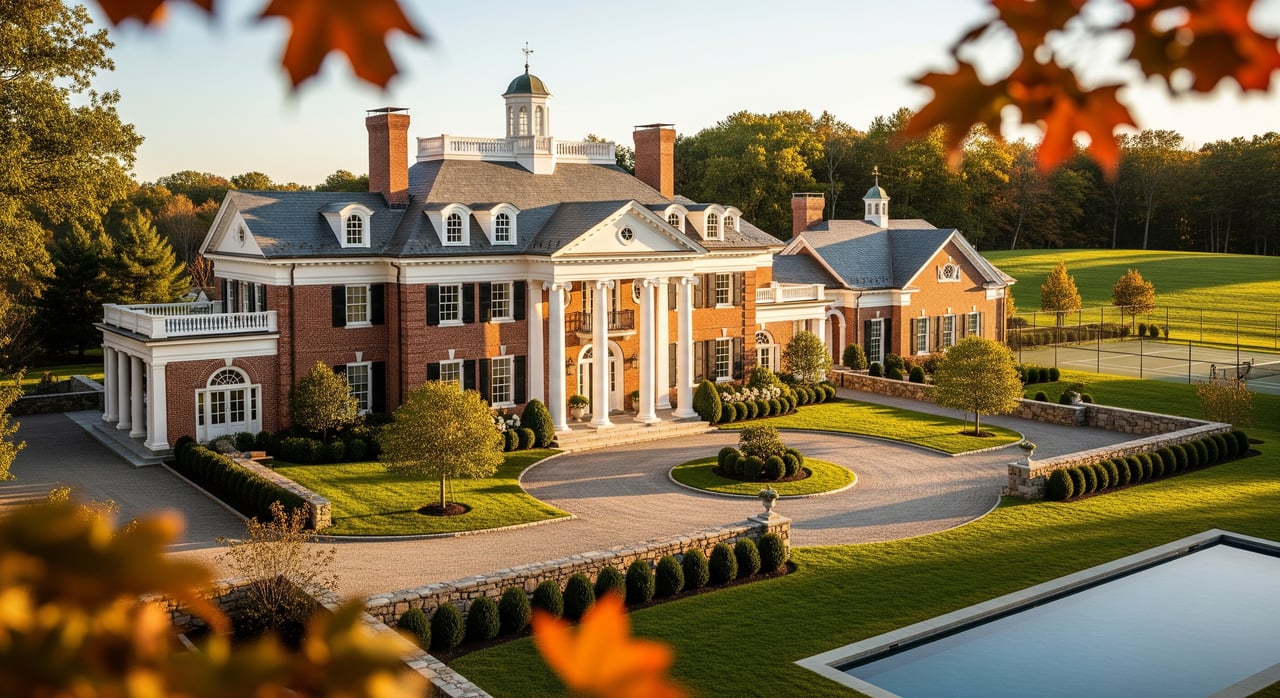
Shopping for a home in Dover or Greater Boston and wondering if your mortgage will be a jumbo loan? In higher-priced markets like Dover and many Norfolk County towns, the answer is often yes. That does not have to slow you down. With the right plan, you can qualify with confidence and keep your timeline on track.
In this guide, you’ll learn what a jumbo loan is, how lenders evaluate your file, what local factors matter in Dover and nearby markets, and a step-by-step checklist to prepare. You will also find trusted resources for limits, timelines, and due diligence. Let’s dive in.
What counts as a jumbo loan
A jumbo mortgage is any loan amount that exceeds the conforming loan limit for the county where the property sits. Conforming limits are set by the Federal Housing Finance Agency and change each year. If your loan amount is above that limit, you will need a jumbo or portfolio product.
Your loan amount equals the purchase price minus your down payment or equity. To confirm whether your target price and down payment push you into jumbo territory, compare your planned loan amount to your county’s limit using the FHFA’s official conforming loan limits page. You can check the current county limits by visiting the FHFA’s conforming loan limits tool and tables on the FHFA site. You can review the current conforming loan limits on the FHFA’s official page for conforming loan limits.
- Tip: Check FHFA limits before you shop, especially across county lines. Norfolk County and Boston neighborhoods can differ. You can verify county limits on the FHFA’s conforming loan limits page.
Dover and Boston price context
Dover and many upscale Norfolk County suburbs often see sale prices that exceed conforming limits, especially for single-family homes and properties with land. In Boston, some neighborhoods and condo markets stay within conforming range, while luxury areas and larger homes tend to require jumbo financing. That means your financing plan may vary by town, neighborhood, and property type, even within the same metro area.
If you are considering a smaller condo or townhouse, you may be able to stay within conforming limits. Larger estates, unique homes, and properties with acreage more often require jumbo solutions. For current pricing trends and comparable sales, rely on local market data and association reports, including the Massachusetts Association of Realtors.
How jumbo underwriting differs
Jumbo loans use more detailed underwriting. You can expect thorough documentation, manual review, and a full appraisal. The process can take longer than a typical conforming loan.
- Documentation: Lenders often ask for two years of tax returns, W-2s or K-1s, several months of account statements, and explanations for large deposits.
- Appraisal: High-value and one-of-a-kind properties can require more extensive appraisal work or additional comparable sales, which can add time.
- Timeline: Plan for a longer underwriting cycle. Building extra time into your offer can protect you during appraisal and final approval.
For a primer on preparing documentation and comparing loan options, review the Consumer Financial Protection Bureau’s mortgage guidance.
What lenders expect from you
While every lender sets its own rules, jumbo programs tend to share a few themes. Knowing these up front helps you prepare a stronger file.
- Credit score: Lenders commonly expect higher credit scores for jumbo loans than for conforming loans.
- Debt-to-income ratio: Lower DTIs are preferred, though some lenders allow higher ratios with strong compensating factors, such as substantial reserves.
- Down payment: Many jumbo programs ask for 10 to 20 percent down, and some prefer more at higher price points. Exact requirements vary by lender and property type.
- Cash reserves: It is common to see reserve requirements measured in months of payments, which vary based on loan size and your overall profile.
- Pricing: Jumbo rates can be slightly higher or roughly comparable to conforming loans, depending on market conditions and the specific lender.
Jumbo products to compare
Jumbo financing comes in several forms. The right fit depends on your goals, income profile, and risk tolerance.
- Fixed-rate jumbo mortgages: Popular for long-term payment stability. Available in 15-, 20-, and 30-year options.
- Adjustable-rate mortgages: ARMs may start with a lower initial rate, but the payment can change later. Consider your time horizon and rate caps.
- Portfolio or non-QM jumbo loans: Useful for self-employed buyers or those with nontraditional income documentation. These may accept bank-statement underwriting or other alternatives and often have stricter pricing or reserve standards.
If you are shopping near the top of conforming limits, ask about any high-balance conforming options in your county, then compare them to jumbo quotes. Review interest rate, APR, fees, reserves, lock terms, and average closing times when you compare offers.
Local Dover and Norfolk County factors
The property itself matters in jumbo underwriting. Dover and nearby towns include high-end estates, rural or semi-rural parcels, and historic homes. These features can affect appraisal, inspections, and underwriting requirements.
- Unique or historic homes: Limited comparable sales can lengthen the appraisal process. Plan for extra time.
- Land, wells, and septic: Rural elements may trigger additional inspections or documentation. Address known issues early.
- Condominiums: Lenders review condo financials and project eligibility. Your agent can help gather association documents.
- Flood zones and coastal risk: If you are buying near flood-prone areas or along the coast, you may need flood insurance. Use FEMA’s Flood Map Service Center to evaluate flood risk.
To understand local tax records and parcel details, you can reference the Town of Dover Assessors office. For recording fees and closing logistics across the county, consult the Norfolk County Registry of Deeds.
A step-by-step jumbo checklist
Set yourself up for a smooth approval by following a clear plan.
- Confirm whether you need a jumbo
- Verify the FHFA conforming loan limit for the property’s county.
- Calculate your likely loan amount based on your target price and down payment.
- Get preapproved with multiple lenders
- Include at least one local lender or broker familiar with high-value Massachusetts properties.
- Compare interest rate, APR, lender fees or credits, reserve requirements, and lock terms.
- Prepare documentation early
- Gather two years of tax returns, recent paystubs, W-2s or K-1s, and full statements for bank, brokerage, and retirement accounts.
- Document sources of funds for your down payment and reserves, including any gift letters.
- Review credit and reduce revolving debt where possible before locking a rate. The CFPB’s mortgage resources offer helpful preparation tips.
- Evaluate the property with your lender
- Ask what to expect from appraisal for the specific property type and area.
- For condos, obtain association documents early and confirm project eligibility.
- For properties with septic, wells, or acreage, discuss likely inspections and timelines.
- Structure a timeline that works
- Build appraisal and underwriting time into your offer.
- Ask lenders about appraisal scheduling, underwriting turn times, and any investor overlays.
- Plan closing logistics
- Confirm local recording fees and title requirements with the closing attorney or title company.
- Review wire and signing steps well in advance to avoid last-minute delays.
Build a winning offer timeline
In competitive suburbs like Dover, a clean and realistic timeline can strengthen your offer. Preapproval with a jumbo lender signals readiness. Strong documentation helps underwriters move faster, and early appraisal scheduling avoids bottlenecks.
Share your lender’s estimated turn times with your agent before you write an offer. For unique or high-value homes, add a bit of flexibility to the appraisal contingency. This measured approach can protect your deposit and keep the deal moving.
Partner with a local advisor
Jumbo financing is about more than rates. It is about aligning the right lender, the right product, and the right timeline with the realities of a specific property in a specific town. In Dover and MetroWest, that can include land and septic questions, valuation for one-of-a-kind homes, and coordination across multiple parties.
If you want steady, senior-level guidance through a high-stakes purchase, connect with a local advisor who understands high-value estates and the nuances of Norfolk County and Greater Boston. For confidential representation and market-smart strategy, reach out to Mary Crane Properties. Schedule a private consult to discuss your goals and the best path forward.
FAQs
How do I know if I need a jumbo loan in Dover?
- Compare your planned loan amount to the county’s conforming limit using the FHFA’s conforming loan limits; if it is higher, you need a jumbo.
Do jumbo loans always have higher rates than conforming?
- Not always; jumbo rates can be slightly higher or roughly comparable depending on market conditions and your profile, so compare multiple lender offers.
What down payment do jumbo lenders usually require?
- Many programs expect 10 to 20 percent down or more, plus several months of cash reserves, with exact terms set by each lender.
How long does a jumbo loan take to close in Greater Boston?
- Often longer than conforming because of manual underwriting and complex appraisals; build extra time into your offer and contingency periods.
Are there jumbo options for self-employed buyers?
- Yes; some portfolio or non-QM jumbos accept bank-statement or alternative documentation, though pricing and reserve needs may be stricter.
What local due diligence matters for Dover properties?
- Appraisals for unique homes, septic and well inspections, condo project reviews, and flood zone checks using FEMA’s Flood Map Service Center.
Resources mentioned: