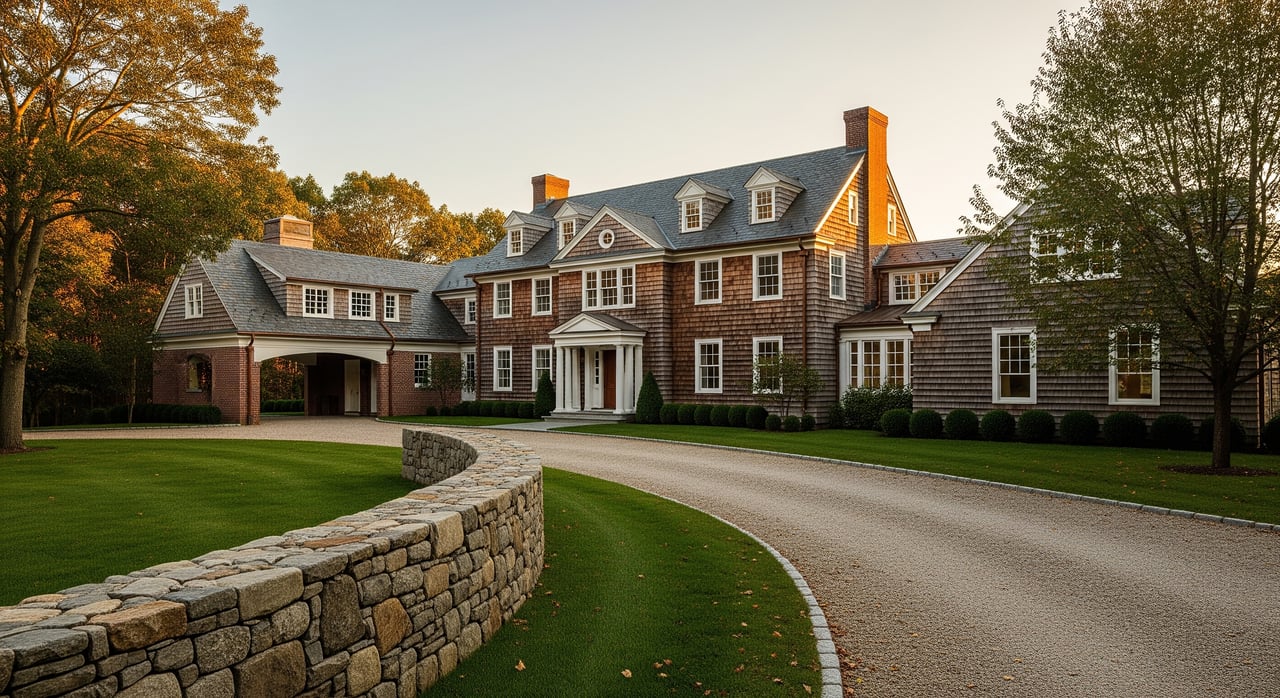
Wondering what your Dover estate is truly worth in today’s market? Pricing a distinctive property can feel tricky, especially when there are few direct comparisons and every acre, upgrade, and view line matters. You want a number that attracts qualified buyers, supports appraisal, and protects your bottom line. This guide shows you how to price with confidence by using a rigorous CMA, local land and regulatory insights, and a clear go-to-market strategy. Let’s dive in.
Understand Dover’s estate market
Estate homes in Dover and the surrounding Norfolk County and Boston area are not one-size-fits-all. Value shifts by submarket, including town, neighborhood, school district, and even whether a lot is wooded or open. Proximity to major routes and downtown access also influence what buyers will pay.
You can expect a strong privacy premium. In Dover, larger lots and acreage often command higher prices than town averages suggest. Inventory for large estates is typically thin, so individual property features can move price more than you might expect, and days on market can vary.
Use multiple data sources to build your picture. MLS data, local assessor records, and deed histories provide the most reliable insights for unique properties. Market trend reports help with broader context, but always validate trends against recent, truly comparable sales.
Use reliable data sources
- Run your CMA from the regional MLS. Start with closed, pending, and active listings through MLS PIN.
- Verify assessed values, lot details, and local maps via the Town of Dover Assessors and Planning.
- Confirm ownership history, easements, and restrictions at the Norfolk Registry of Deeds.
- Review statewide trends from the Massachusetts Association of Realtors.
- For demographic context that shapes the buyer pool, check U.S. Census QuickFacts.
Build a CMA for estates
A Comparative Market Analysis is your primary pricing tool. For estate homes, it needs more care and documentation than a typical single-family CMA.
Find the right comps
- Look for closed sales within the past 6 to 12 months, in the same town or a very similar neighboring town.
- Match acreage, lot type, finished square footage, bedroom and bath counts, and overall age and quality.
- Use active and pending listings to understand current competition, but give more weight to closed sales.
If Dover sales are limited, expand carefully. You can time-adjust older sales, pull comps from nearby towns with similar lots and amenities, and supplement with cost and land value checks when needed. Document every assumption in writing.
Adjust for major differences
Adjustments should be specific and supported by evidence. Focus on items that meaningfully shift buyer perception and appraisal outcomes:
- Acreage, privacy, and potential for subdivision or outbuildings
- Finished square footage and functional layout
- Kitchen and bath renovation quality, systems, and structural condition
- Views, outdoor living, pool, tennis court, or equestrian amenities
- Historic designation or conservation restrictions that limit alterations
- Access to municipal sewer versus private septic; Title 5 status matters
For properties on septic, understand the Massachusetts Title 5 inspection rules. A failing or marginal system often reduces a buyer’s willingness to pay, and the issue is commonly negotiated into price or credits. Review current guidance from MassDEP Title 5 septic system rules.
Set your price strategy
Once you determine a supported value range, choose a listing strategy that matches your goals:
- Aggressive, to spur competition when buyer demand is clear
- Market, to reflect fair value and typical exposure time
- Conservative, to motivate faster offers when timing is critical
Your strategy should be backed by comps and a narrative that explains the value. This helps buyers and appraisers align with your price.
Sanity checks when comps are thin
Price per square foot is a useful check, but it is less reliable for estates. Lot size, privacy, and outdoor amenities often drive value more than raw interior square footage. Use median price per square foot from closely matched properties, not townwide averages that include smaller homes.
For unique properties with scarce comps, consider a replacement cost and land value exercise. Estimate the cost to rebuild, subtract reasonable depreciation, then add land value based on recent land sales or supportive evidence. Appraisers in thin luxury markets may also use older sales when they are the only good fit. Be prepared to show your work.
Local rules and land features that move price
Estate pricing in this area is heavily influenced by land, utilities, and regulations. Before you finalize a list price, confirm the following.
Septic, sewer, and Title 5
If your property relies on a private septic system, a Title 5 inspection is typically required at transfer unless an exemption applies. A passing report can reduce buyer concerns and support price. If issues arise, you can address them pre-listing or adjust price and credits accordingly. Learn more from MassDEP Title 5 septic system rules.
Historic and conservation restrictions
Historic districts or conservation restrictions can limit alterations, which may narrow the buyer pool for those planning major renovations. Confirm any restrictions with local commissions and the Norfolk Registry of Deeds.
Wetlands and environmental buffers
Wetlands and buffer zones affect usable acreage and development potential. Two lots with similar acreage may have very different value if one has more buildable area. Work with local conservation records to understand what is feasible.
Zoning and subdivision potential
Minimum lot size, frontage, and use restrictions determine whether your acreage supports future subdivision, an accessory structure, or specialized amenities. Zoning potential can add a premium. Consult town planning resources and recorded documents through the Town of Dover Assessors and Planning and the Registry of Deeds.
Property taxes and assessed values
Effective tax burden influences buyer affordability and net proceeds. Review local assessments and tax rates, and know how they compare across surrounding towns. For Boston properties, verify details with the Boston Assessing Department.
Lead-based paint disclosures
Homes built before 1978 require federal lead disclosure. Massachusetts has additional programs for lead hazard control. Build compliance into your pricing and negotiation plan using EPA lead-based paint guidance.
Prep that protects your price
Smart preparation increases buyer confidence and reduces negotiation pressure.
- Professional visuals. Use high-end photography, video, and drone to showcase acreage, privacy, and outdoor living. Aerial plat maps help buyers visualize the property.
- Staging. In large rooms and long-view spaces, staging clarifies scale and flow. Thoughtful exterior staging highlights gardens, terraces, and pool areas.
- Pre-listing inspections. Consider a general home inspection, confirm roof and systems life, and complete your Title 5 septic inspection if applicable. Fix or disclose issues before buyers use them as leverage.
- Documentation. Provide a property booklet with floor plans, utilities information, recent renovations, and permits. This helps with appraisal and buyer decision speed.
- Appraisal planning. In luxury segments with fewer comps, consider a pre-listing appraisal or prepare a detailed CMA package to support your price with lenders.
Go-to-market tactics that work
Your pricing will land best when paired with a targeted marketing plan.
- Price banding. Psychological thresholds can help, but for estates the bigger lever is a defensible price backed by real comps.
- Coming soon and pre-market. These can build buzz for standout properties, but they do not replace a solid, evidence-backed price.
- Targeted outreach. Focus on relocation professionals and agents who work with high-net-worth buyers across MetroWest and Boston. Use premium web presentation, video tours, and syndication to reach in-area and out-of-area buyers.
- Broker open houses. A private broker event can accelerate word-of-mouth among the right agents. Public open houses should be considered based on your privacy and security preferences.
- Negotiation levers. Be ready to consider credits, flexible closing dates, or short rentbacks. If multiple offers emerge, escalation clauses may apply, and structure matters.
Monitor and adapt
Expect a longer average timeline for estates, often 60 to 180 days depending on price point and submarket. The first two to four weeks are your most important feedback window. Track showings, agent comments, and buyer questions. If activity is thin or feedback points to a pricing gap, adjust your price or marketing promptly to avoid staleness.
A clear plan, clean documentation, and steady communication keep you in control of the process even in a thin market segment.
If you want senior-level guidance tailored to your property, including valuation, land and septic advice, and a negotiation-first plan, connect with Mary Crane Properties. Schedule a confidential consultation, and get a clear path to the right price and a successful sale.
FAQs
How do I price a Dover estate with few comps?
- Expand your search to similar nearby towns, time-adjust older sales, and supplement with replacement cost and land value checks. Document every adjustment in your CMA.
What is the role of Title 5 in pricing?
- Title 5 inspections apply to properties on private septic. A passing report supports price, while a failing or marginal system often requires a price adjustment or credit. See MassDEP Title 5 guidance.
Do larger lots always add value in Dover?
- Not always. Usable acreage, privacy, wetlands, and zoning drive value more than raw acreage. Subdivision potential and outdoor amenities can add premiums.
How do schools factor into pricing?
- School districts are a key consideration for many buyers in Greater Boston. Reference relevant district information neutrally in your CMA as part of buyer demand context.
Should I get a pre-listing appraisal for an estate home?
- It can help support an aggressive price and reduce appraisal gap risk, especially in thin markets. Balance the cost against the clarity it provides to buyers and lenders.
What tax and legal items should I confirm before listing?
- Verify property tax details with local assessors, confirm deed restrictions or easements at the Norfolk Registry of Deeds, comply with EPA lead rules for pre-1978 homes, and plan for Title 5 if on septic.