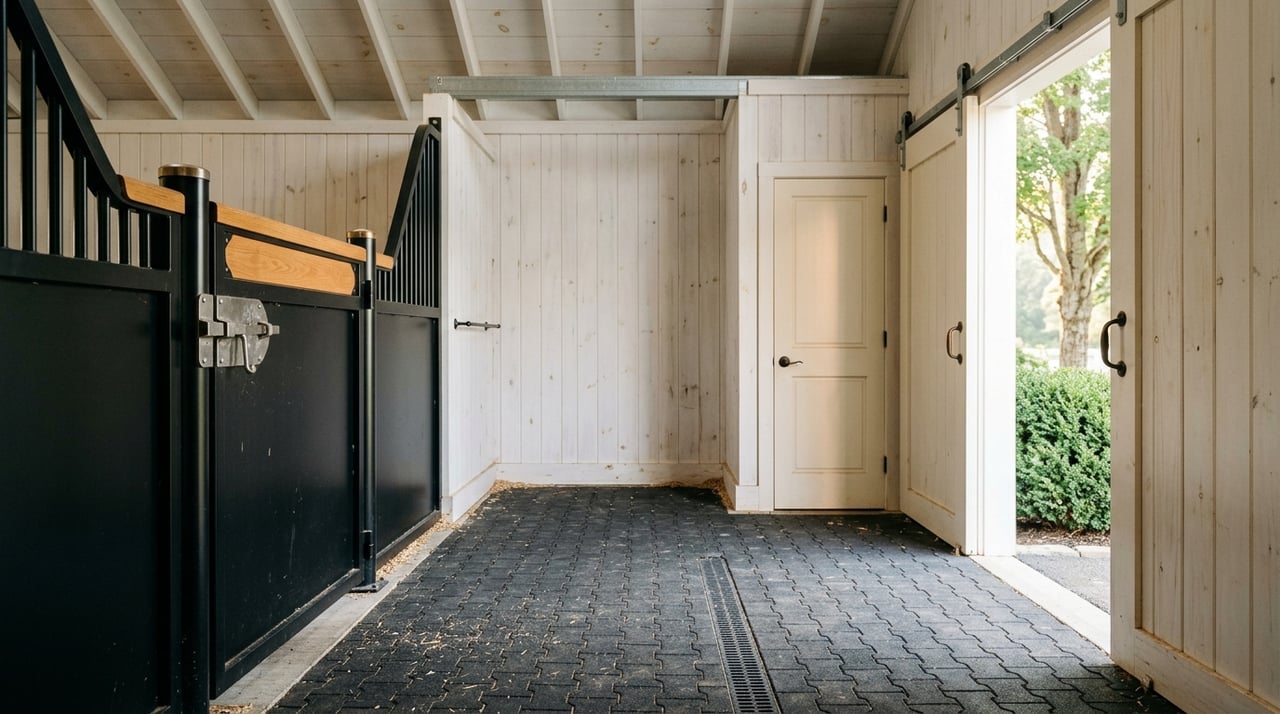
If you picture horse life as something set apart from daily life, Dover may surprise you. In this town, riding, turnout, barn chores, and trail access are woven into the landscape in a very practical way. If you are exploring an equestrian property here, it helps to understand not just the romance of the setting, but the real rhythm of how horse ownership works day to day. Let’s take a closer look.
Why Dover fits equestrian living
Dover describes itself as a predominantly residential town with a peaceful rural setting, miles of shady trails and woods for horseback riding, and access to the Charles River. That combination helps explain why the town continues to attract buyers who want space, privacy, and a genuine country feel while staying within reach of Boston.
The horse culture here is not just part of the past. In the 2025 Town Report, Dover’s Board of Health animal inspector recorded 102 horses, ponies, miniature horses, donkeys, and mules in the town’s inspection inventory. That number points to something important: horses are still an active part of everyday life in Dover.
Dover also strongly supports protecting open space to preserve its country-like feel. For you as a buyer or seller, that open-space ethic matters because it shapes both the look of the town and the way equestrian properties function over time.
What daily horse ownership means
In Dover, horse ownership is as much about land and planning as it is about the barn itself. A beautiful house may catch your eye first, but acreage, drainage, access, and barn placement can have just as much impact on whether a property truly supports your goals.
The Board of Health inspects barns and livestock annually. That includes reviewing animal health records and vaccination or testing records, as well as regulating manure storage, removal, and composting to help protect wetland resources and drinking water.
That local framework gives Dover’s equestrian scene a grounded, well-managed feel. It also means that if you are buying with horses in mind, you should expect practical questions about how the property works, not just how it looks in a listing.
Barns and site planning matter
The Planning Board reviews site plans for residential accessory structures, including barns and stables. It also handles commercial site plans and special permits, and Dover’s zoning table identifies commercial stables for boarding, hiring, or selling horses as a regulated use.
For you, that means future plans matter. If you are thinking about adding stalls, expanding a barn, improving turnout areas, or changing how a property is used, those ideas should be part of your review early in the process.
Horse-ready means more than open land
A parcel can look large enough for horses and still require closer review. Wetlands, access points, drainage patterns, and the location of existing structures can all affect how easily a property supports everyday equestrian use.
In Dover, the key question is not simply whether a property has room. It is whether the land, improvements, and intended use fit the town’s regulatory and open-space framework.
Where riders go in Dover
One of Dover’s strongest equestrian advantages is that riders have real trail access, not just the idea of it. The town’s official recreation guide says horseback riding is allowed at Noanet Woodlands, Hale Reservation, and Wylde Woods, and it also points riders to Norfolk Hunt Club for more riding information.
That said, trail permissions vary by property. Before heading out, riders should check the rules for each preserve so they understand where horses are allowed and how each area is managed.
Noanet Woodlands
Noanet Woodlands offers more than 16 miles of shady trails and wood roads for horseback riding, along with other passive recreation. The property is open year-round, daily, from sunrise to sunset.
For many riders, one of the biggest advantages is connectivity. The trails at Noanet link with the 1,200-acre Hale Reservation, creating the kind of broader riding landscape that makes Dover feel especially appealing for trail-oriented horse owners.
Hale Reservation
Hale welcomes equestrians and maintains 20 miles of trails. It asks riders to avoid heavily used areas, with ideal riding zones south of the East/West Fire Road and south of Powisset Street.
That guidance reflects an important part of Dover riding culture. Trail use here is not only about access, but also about stewardship and sharing open space responsibly.
Wylde Woods and connected parcels
Wylde Woods is another notable riding area in town. Dover describes it as a 200-acre parcel with an extensive network of marked trails, and the town’s open-space information specifically says horses are welcome there.
The town also notes that bicycles are not permitted at Wylde Woods. For riders, that can help preserve a quieter trail setting.
Dover’s open-space network extends beyond a single parcel. Town resources show that Larrabee-Whiting connects with Noanet Woodlands and Hale Reservation, while other parcels connect into Wylde Woods and the broader Snow Hill network. Dover Land Conservation Trust also says its properties are open for riding.
Boarding, lessons, and local support
Not every Dover rider keeps horses at home, and that is part of the town’s appeal as well. If you prefer to board, take lessons, or stay connected to an active horse community, Dover offers several reference points.
Highwater Farm says it has moved to the stables at Norfolk Hunt Club in Dover and offers weekly lessons, summer and holiday camps, and full-service boarding. Norfolk Hunt Club’s stable information also describes full-service boarding, all-day turnout, an 80-by-190-foot outdoor riding ring, and direct access to a trail system running through Dover, Medfield, and Sherborn.
Sage Farm on Dedham Street describes itself as a dressage training, boarding, and lesson facility in Dover. It notes 25 stalls, indoor and outdoor rings, and wash stalls.
For buyers, these options matter because they create flexibility. You may not need a fully built-out private horse property on day one if boarding, lessons, and trail access already support the lifestyle you want.
The daily rhythm buyers should picture
Dover’s equestrian appeal comes from how naturally horse life fits into the town. The setting supports a rhythm built around turnout, feeding, barn maintenance, trail rides, and quiet time outdoors, rather than a lifestyle centered only on ring work.
That daily rhythm can be deeply appealing if you want horses to be part of how you live, not just a weekend activity. It also means that the best equestrian properties here often succeed because the house, barn, land, and access all work together.
What buyers should verify
If you are considering an equestrian purchase in Dover, a careful review can save time and help you avoid expensive assumptions. Before deciding a property is horse-ready, it makes sense to confirm:
- trail permissions for nearby conservation land or connected riding areas
- barn and stable siting considerations
- any Board of Health requirements related to animals, records, manure handling, or composting
- wetland conditions and drainage considerations
- whether future additions or expanded equestrian improvements may require Planning Board review
For horse properties especially, details drive value. A parcel that appears ideal at first glance may need a more technical look to understand how well it supports your plans.
What sellers should understand
If you own an equestrian property in Dover, buyers will often evaluate more than aesthetics. They may look closely at barn condition, turnout layout, access to trails, land usability, and how the property fits local review processes.
That creates an opportunity for thoughtful preparation. Clear information about the land, structures, and day-to-day functionality of the equestrian setup can help buyers understand the property’s strengths and see how it supports the Dover lifestyle they are seeking.
For rare properties, presentation matters, but so does substance. The most compelling story is usually the honest one: how the property actually lives, how the barn works, and how the setting connects to Dover’s wider trail and open-space network.
If you are thinking about buying or selling an equestrian property in Dover, Mary Crane Properties offers experienced, hands-on guidance grounded in local knowledge, land insight, and a clear understanding of what makes these properties work.
FAQs
What makes Dover, Massachusetts appealing for horse owners?
- Dover offers a rural setting, a meaningful local horse presence, and access to riding areas including Noanet Woodlands, Hale Reservation, and Wylde Woods.
What should you review before buying a horse property in Dover?
- You should verify trail permissions, barn siting, drainage and wetland conditions, Board of Health requirements, and whether planned equestrian improvements may need Planning Board review.
Where can you ride horses in Dover?
- Dover’s recreation information says horseback riding is allowed at Noanet Woodlands, Hale Reservation, and Wylde Woods, with rules varying by property.
Can you enjoy equestrian life in Dover without keeping horses at home?
- Yes. Dover includes local boarding and lesson options such as facilities at Norfolk Hunt Club and Sage Farm, which can support riders who do not want private on-site horse facilities.
Why is trail access important in Dover equestrian real estate?
- Trail access helps shape the day-to-day riding experience and is a major part of Dover’s appeal, especially because several open-space parcels connect into a broader network.