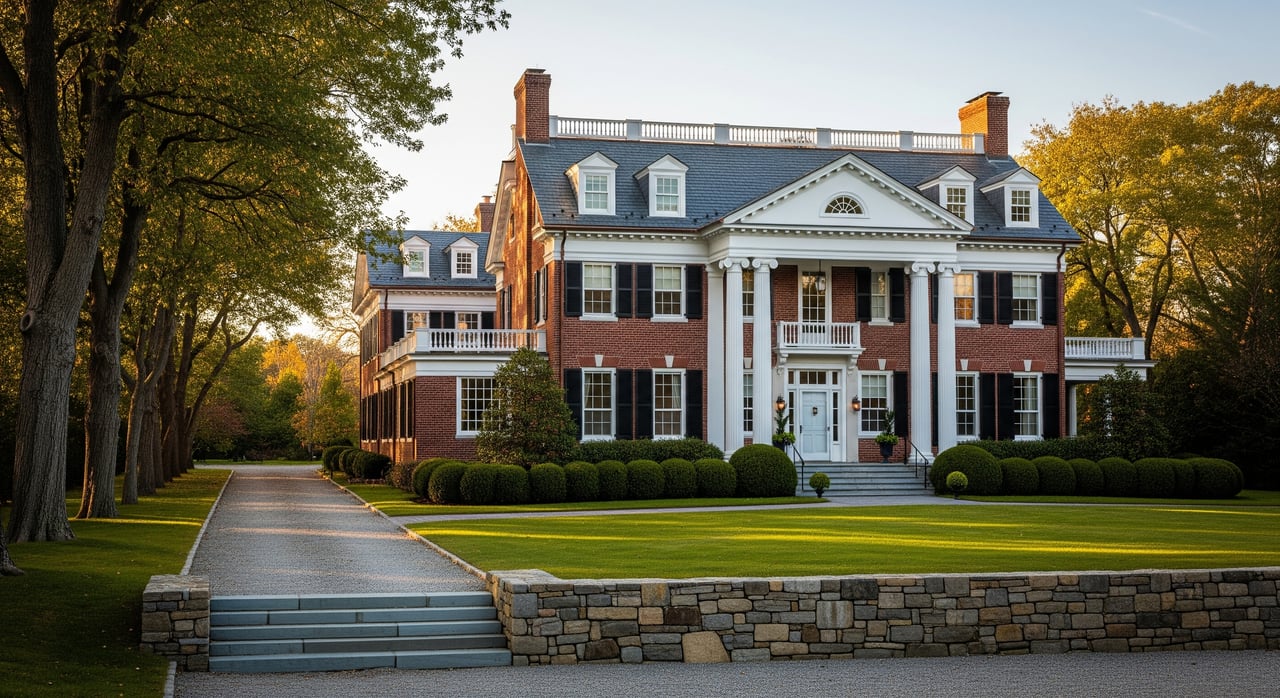
Thinking about a move in Dover but unsure how the market really works here? You are not alone. Dover’s large lots, limited listings, and practical considerations like septic and wells can make decisions feel complex. In this guide, you will learn what drives value, what to expect as a buyer or seller, and how to prepare so you can move forward with confidence. Let’s dive in.
Dover market at a glance
Dover is a small, affluent town with a rural‑suburban feel, known for detached single‑family homes on generous lots. Multifamily housing and condos are limited, so selection is narrower than in nearby towns. Inventory is often tight and demand is steady, which has historically leaned the market toward sellers. Listing activity usually rises in spring and summer; winter can bring fewer options but sometimes less competition.
What drives value in Dover
Schools and community
Dover is part of the Dover‑Sherborn Regional School District, which many buyers consider a major advantage. The district’s reputation draws families and supports strong demand. If schools are part of your decision, confirm current enrollment and program details directly with the district.
Zoning, land, and privacy
Local zoning favors low‑density residential use, with conservation land helping to preserve open space. The result is fewer new homes, larger lots, and a quiet setting that many buyers value. These same limits can restrict new construction, which supports higher per‑home values over time but keeps supply tight.
Commute and location
Dover sits west/southwest of Boston with access to regional roads and the I‑95/Route 128 corridor via neighboring towns. Direct commuter rail options in Dover are limited, so many residents drive to nearby stations or use park‑and‑ride. If you commute, test your route at typical travel times before you buy.
What buyers should expect
Be ready in a low‑supply market
With fewer listings, desirable homes can attract multiple offers. Get pre‑approved early so you can move quickly, especially if you may need a jumbo loan. Have your lender, attorney, and inspector lined up before you tour.
Inspections that matter
Many Dover homes use private septic systems. Plan for a Title 5 septic inspection and budget for possible repairs or replacement. If the property has a private well, order water testing for bacteria and common contaminants. For older homes, pay close attention to electrical systems, masonry, roofs, and foundations. On large wooded lots, a recent survey helps confirm boundaries and buildable area.
Financing and affordability
Higher price points can push financing into jumbo territory depending on your budget. First‑time buyers may qualify for certain state or local programs based on credit and down payment. Your lender can help you compare options and timelines.
Seasonality and search strategy
Spring often brings the most new listings, but also the most competition. Summer can extend that momentum with more touring flexibility. If you shop in winter, you might find less competition, though selection is often smaller. Align your timing with your move date and financing readiness.
What sellers should know
Prep for Dover buyers
Highlight the features that matter most here, such as lot size, privacy, and outdoor living. Provide organized disclosure on septic, well, utility details, and any conservation or use restrictions. Clear documentation builds trust and reduces renegotiation risk.
Pricing and timing
Use recent comparable sales from the last 6 to 12 months and assess current days on market to set strategy. Spring can produce strong traffic, though the best listing window still depends on your property type and current inventory. Be ready to adjust based on feedback and showing activity.
Pre‑listing inspections
A pre‑listing home inspection can surface items to fix or disclose. A current Title 5 septic inspection helps avoid last‑minute delays. Staging and light landscaping can amplify the lot’s scale and privacy, which are major selling points in Dover.
Land, new builds, and teardowns
Opportunities for new construction exist but are limited by zoning, wetlands, and conservation rules. If you plan a teardown or custom build, confirm setbacks, minimum lot size, septic capacity, and any conservation constraints before you bid. If you are considering an accessory dwelling unit, review Dover’s current bylaws and speak with the Building Department and Conservation Commission early to understand what is allowed.
Taxes, fees, and closing costs
Expect standard Massachusetts closing costs, including lender fees, title insurance, and recording charges at the Norfolk County Registry of Deeds, along with prorated property taxes. For exact property tax rates and any exemptions or surcharges, check the Dover Assessor and Tax Collector resources. Your attorney or closing agent can provide a detailed estimate tailored to your transaction.
Risk checks and due diligence
Some Dover parcels intersect wetlands or mapped flood zones, so it is smart to consult FEMA flood maps and any available town GIS. On private roads, clarify maintenance and plowing responsibilities. Review easements and any agricultural or conservation restrictions that could affect how you use the property. Title searches and title insurance are standard in Massachusetts and help protect your investment.
Quick checklists
Buyer checklist
- Secure lender pre‑approval and confirm if you need a jumbo loan.
- Order a home inspection, Title 5 septic inspection, and well water test if applicable.
- Request a recent survey and review conservation easements or restrictions.
- Time your commute test runs to confirm daily travel expectations.
- Review Dover zoning rules if planning additions or an ADU.
Seller checklist
- Schedule a pre‑listing home inspection and a current septic inspection.
- Price with recent Dover comps and market indicators in mind.
- Declutter and stage to showcase lot size and privacy.
- Prepare clear documentation on septic, well, utilities, and any restrictions.
- Choose listing timing based on your goals and current demand.
Outlook and how to position yourself
Local performance will vary with mortgage rates, regional employment, and available inventory. Because Dover’s supply is structurally limited, even small shifts in demand can move prices. If rates stabilize and inventory stays low, sellers may retain an edge; if inventory builds or rates rise, buyers could gain leverage on price and terms. Either way, careful preparation, accurate pricing, and strong negotiation will drive outcomes.
You deserve guidance that combines local knowledge with technical clarity on land, septic, and complex properties. Schedule a confidential consultation with Mary at Unknown Company.
FAQs
Is Dover a buyer’s or seller’s market today?
- It depends on active inventory, months of supply, and mortgage rates. Dover’s constrained supply has historically leaned seller‑friendly, but you should review current MLS data for a real‑time read.
How do schools affect home values in Dover?
- The Dover‑Sherborn district is widely regarded as a key demand driver, which often supports prices. Confirm current program details and enrollment with the district.
What inspections are most important for Dover homes?
- Plan for a standard home inspection, a Title 5 septic inspection, a well water test if applicable, and a survey for large or wooded lots.
Are new construction options common in Dover?
- New builds are limited due to zoning and conservation. Tear‑downs and custom homes occur on suitable lots, subject to setbacks, septic, and permitting.
Should I worry about commute options when buying in Dover?
- Yes. Dover has limited direct transit, so evaluate drive times, access to nearby commuter rail, and typical traffic patterns before you purchase.
Are property taxes unusually high in Dover?
- Property tax rates vary by year. Because assessed values tend to be high, total tax bills can be higher than in lower‑priced towns. Check the assessor for current rates and exemptions.